Adventure Games: A Thrilling Journey into Interactive Worlds
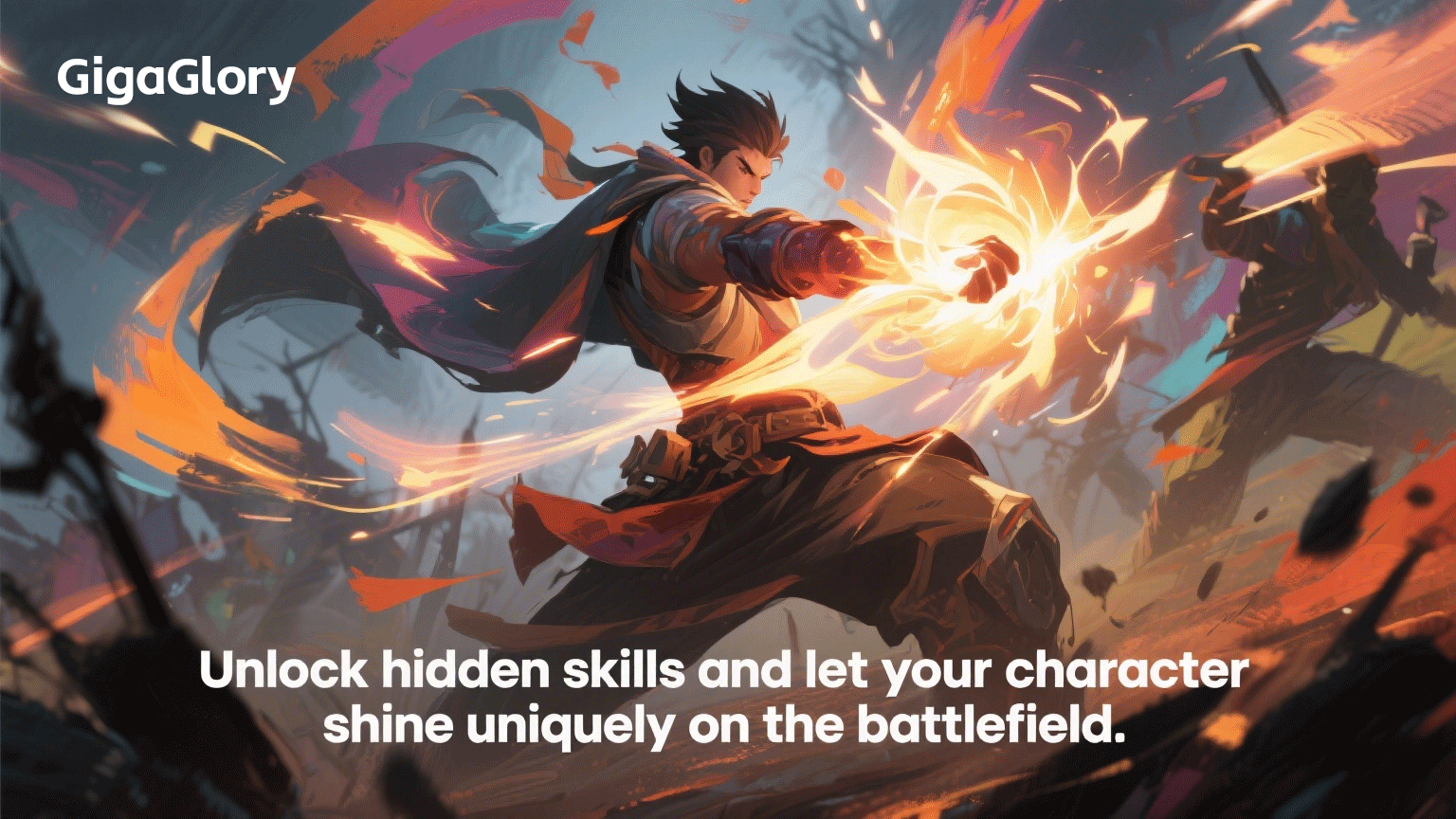
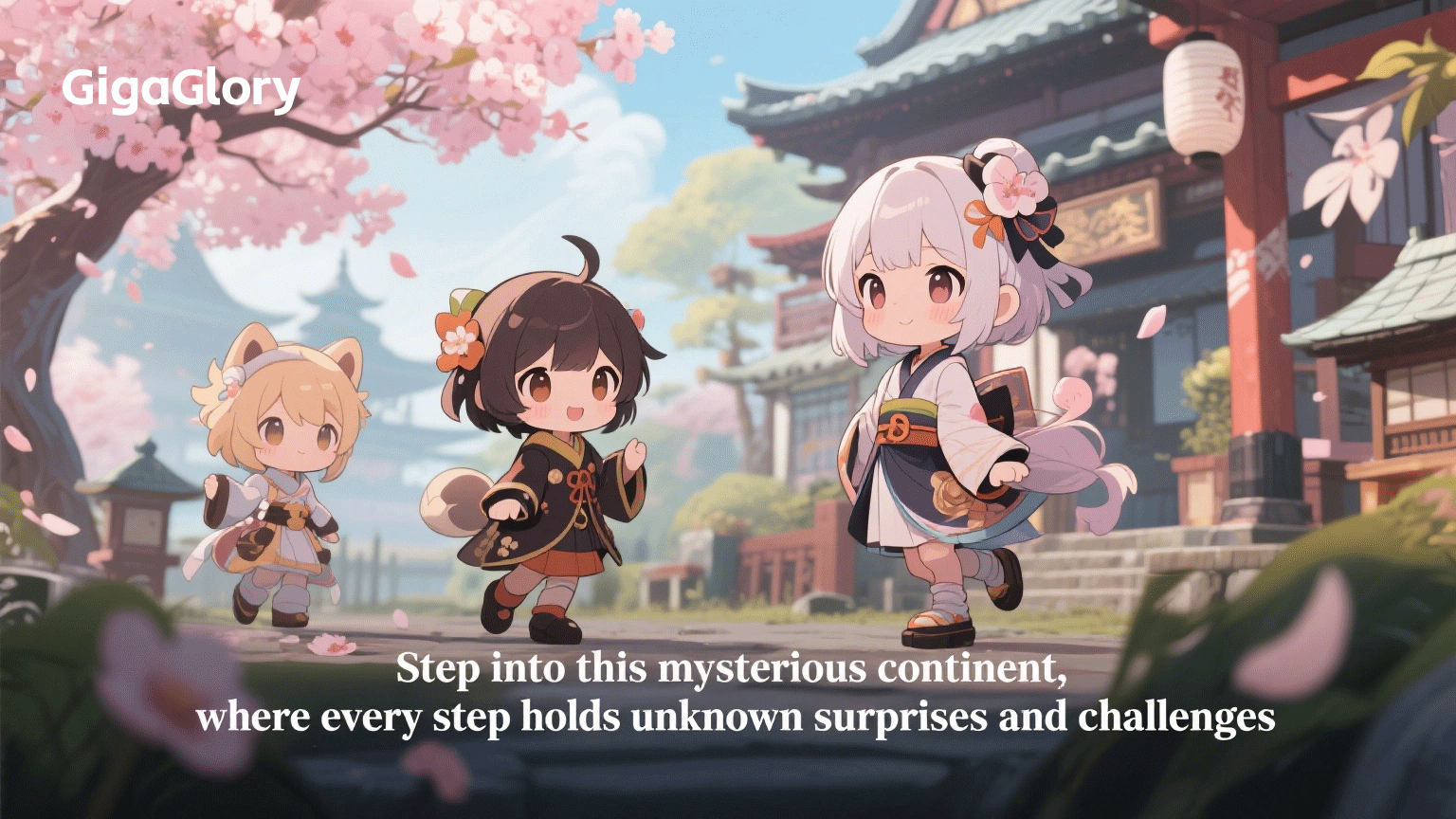
Adventure games have captivated players for decades, immersing them in rich narratives and interactive experiences that push the boundaries of entertainment. From classic point-and-click titles to modern explorations where player choice is pivotal, the adventure genre thrives thanks to its unique storytelling methods and awe-inspiring environments.
Simulation Games: The Rise of Realism
On the other end of the spectrum are simulation games, which focus on emulating real-world activities. These games offer an intricate blend of realism and creativity, enabling players to construct, manage, or operate intricate systems. Whether it is running a city, farming, or even simulating flight, simulation games cater to a wide audience seeking authenticity in gameplay.
Interactive Dimensions: Merging Adventure and Simulation
When adventure games and simulation games collide, something truly remarkable occurs. Players are not merely engage in passive experiences; they are given the tools to drive narratives and shape outcomes. This intersection allows for:
- Enhanced Engagement: The combination of exploration and simulation keeps players invested, as each decision impacts the outcome.
- Diverse Gameplay Mechanics: Players can enjoy a variety of game mechanics, from puzzle-solving in adventure settings to resource management in simulation scenarios.
- Creative Freedom: Gamers are encouraged to create their paths, blending the structured world of simulations with the imaginative realms of adventure.
Detailed Worlds: The Influence of Iconic Maps
A notable aspect that enhances the adventure gaming experience is the presence of detailed maps. Take, for instance, the detailed Game of Thrones map of the Seven Kingdoms, which not only serves as a guide but also enriches the player’s understanding of the world. Maps like these play a crucial role in adventure games by:
- Providing spatial awareness that helps players navigate complex environments.
- Allowing for quests and missions that are contextually tied to specific locations.
- Fostering a sense of exploration and discovery that is central to the adventure genre.
Characters and Storylines: The Heart of Adventure
The richness of characters and narratives in adventure and simulation games cannot be overstated. Consider the contribution of individuals like Dale Comstock from the Delta Force series, who embodies the spirit of adventure through his compelling stories. Characters like him make the experiences more relatable and engaging, further blurring the lines between fantasy and reality.
Conclusion: The Future of Interactive Entertainment
As we move forward, it is clear that adventure games and simulation games will continue to evolve, challenging the norms of interactive entertainment. By merging compelling narratives with realistic mechanics, these genres not only entertain but also educate and inspire players worldwide. Players in Ecuador and beyond have so much to look forward to as these forms of gaming continue to redefine our experiences of digital interaction.